By Capt. Vijay | Senior Airline Captain & Aviation Career Mentor
One of the biggest reasons students complete pilot training in 10 months, while others take 18–24 months, has nothing to do with intelligence or hard work.
It’s the weather.
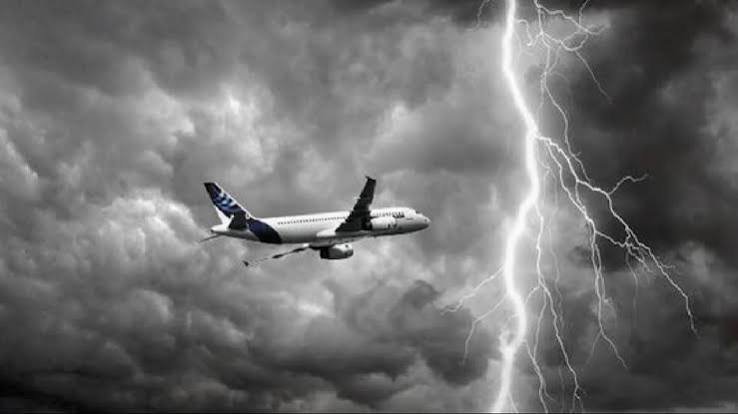
Every flight lesson depends on safe flying conditions. Rain, thunderstorms, strong winds, fog, snow, or poor visibility can cancel flights and delay your Commercial Pilot Licence (CPL). Understanding how weather affects flying hours can save both time and money.
Quick Answer
Countries with more flyable days each year generally allow students to accumulate flying hours faster, helping them complete CPL training sooner. However, weather is only one factor—aircraft availability, instructor scheduling, airport congestion, and school operations are equally important.
Why Flying Hours Matter
To earn a Commercial Pilot Licence, students must complete the required flight training and flying hours as prescribed by the aviation authority.
If weather repeatedly cancels flights:
- Flying hours accumulate slowly
- Course duration increases
- Accommodation costs rise
- Education loan interest may increase
- Airline career starts later
How Weather Impacts Pilot Training
Good flying weather generally includes:
- Clear visibility
- Stable winds
- Minimal turbulence
- No thunderstorms
- Safe cloud base
- Suitable runway conditions
Poor weather can lead to complete cancellation of training flights.
Weather Conditions That Delay Flying
- Heavy rain
- Thunderstorms
- Dense fog
- Low cloud ceilings
- Strong crosswinds
- Snow and ice
- Dust storms
- Cyclones or hurricanes
Even a fully booked training schedule cannot overcome unsafe weather.
Average Flying Days by Region
| Country | Flying Weather | Typical Training Speed |
|---|---|---|
| USA | Excellent | Fast |
| South Africa | Excellent | Fast |
| Australia | Very Good | Fast |
| New Zealand | Moderate | Moderate |
| India | Varies by region | Moderate |
| Canada | Seasonal | Moderate |
| Europe | Weather dependent | Moderate |
Weather varies significantly even within the same country, so local climate matters more than national averages.
Why Sunny Weather Isn’t Everything
Many students assume the country with the best weather is automatically the best choice.
Not necessarily.
A school may have excellent weather but still experience delays due to:
- Limited aircraft
- Instructor shortages
- Airport congestion
- Maintenance downtime
- High student numbers
The fastest training happens when good weather and efficient school operations work together.
Weather vs Flying Hours
More flyable days generally mean:
- More flight slots
- Consistent training
- Better skill retention
- Faster licence completion
- Lower living expenses
Long gaps between flights often require refresher lessons, increasing both training time and cost.
Questions to Ask a Flight School
Before enrolling, ask:
- How many flying days do students average each month?
- What happens if flights are cancelled?
- How quickly are cancelled lessons rescheduled?
- What is the average CPL completion time?
- How many operational aircraft are available?
- Does the airport experience heavy traffic delays?
These questions provide a more realistic picture than marketing brochures.
Common Misconceptions
“Rainy season means training stops.”
Not completely. Ground school, simulator sessions, and theory classes often continue even when flying is paused.
“Fastest weather guarantees fastest CPL.”
No. Weather helps, but aircraft availability, instructors, and scheduling remain equally important.
“Bad weather is always negative.”
Actually, training in varying weather conditions builds confidence and prepares students for real airline operations.
Capt. Vijay’s Advice
When choosing a flight school, don’t ask only, “How sunny is the weather?”
Ask:
- How many hours do students actually fly every month?
- How long do graduates typically take to complete training?
- How often are flights cancelled?
- How efficiently does the school recover from weather delays?
Those answers matter far more than average annual sunshine.
How RSA Pilot Academy Helps
RSA Pilot Academy helps aspiring pilots evaluate flight schools beyond brochures by comparing weather patterns, aircraft availability, instructor-to-student ratios, completion timelines, education loans, DGCA Ground School, medical guidance, licence conversion, Type Rating, and airline preparation, enabling students to make informed career decisions.
Frequently Asked Questions
Does weather affect CPL duration?
Yes. Frequent weather cancellations can extend pilot training by several months.
Which weather is best for pilot training?
Stable weather with high visibility, moderate winds, and minimal rainfall allows more consistent flying.
Can students fly in light rain?
Depending on aircraft limitations, airport conditions, and instructor judgment, some operations may continue. Safety always comes first.
Does every country have weather delays?
Yes. Every training location experiences weather disruptions, but the frequency and severity vary.
Final Thoughts
Weather is one of the biggest hidden factors influencing your pilot training journey. Choosing a school with favorable flying conditions, efficient scheduling, and a reliable aircraft fleet can save months of training and significant additional expenses.
Don’t choose a flight school based only on location—choose one that maximizes your flying opportunities.
Your Success Is Our Focus. Your Career Is Our Priority.