The Step-by-Step Guide to Becoming a Commercial Pilot After Class 12
By Capt. Vijay | Founder & Mentor, RSA Pilot Academy
Imagine standing on the flight deck of an Airbus or Boeing, ready to take hundreds of passengers safely to their destination. For many students, this dream begins immediately after completing Class 12. Yet one question creates confusion more than any other:
“What should I do after 12th to become a pilot?”
Over the years, I’ve met hundreds of aspiring pilots and their parents. Most of them are motivated, hardworking, and passionate—but they often receive conflicting advice from social media, coaching centres, or friends. Some believe they must first complete engineering, while others think joining the cheapest flight school guarantees success.
The truth is much simpler.
Becoming a commercial pilot is a structured journey. If you understand the roadmap from the beginning, you can save time, avoid costly mistakes, and confidently work toward your airline career.
This guide explains every stage of the pilot journey after Class 12.
Can You Become a Pilot Directly After 12th?
Yes.
If you have completed Class 12 with Physics and Mathematics (or equivalent eligibility accepted by the relevant authorities) and meet the medical requirements, you can begin your journey toward becoming a Commercial Pilot.
Many successful airline pilots started their training immediately after school without first completing another professional degree.
Step-by-Step Roadmap to Become a Pilot After 12th
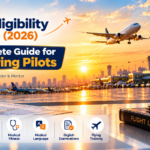
Step 1: Check Your Eligibility
Before investing in pilot training, ensure you meet the basic requirements.
Generally, aspiring pilots should:
- Complete Class 12 with Physics and Mathematics (or meet the applicable equivalency requirements).
- Be medically fit according to aviation medical standards.
- Have good English communication skills.
- Be willing to undergo professional aviation training.
Starting with the correct eligibility avoids unnecessary delays later.
Step 2: Obtain Your DGCA Medical
Medical fitness is one of the first milestones in your aviation journey.
Students typically undergo:
- DGCA Class II Medical
- DGCA Class I Medical
These examinations assess whether you meet the medical standards required for professional flying.
Completing your medical early gives clarity before making a significant financial investment.
Step 3: Prepare for DGCA Ground School
Ground School provides the theoretical foundation every pilot needs.
Common DGCA subjects include:
- Air Navigation
- Aviation Meteorology
- Air Regulations
- RTR (A) (where applicable)
- Technical subjects (depending on the chosen pathway)
A strong theoretical understanding makes flight training more effective and prepares students for licensing examinations.
Step 4: Choose Your Flight Training Country
This is one of the biggest decisions you’ll make.
Popular destinations include:
| Country | Suitable For |
|---|---|
| India | Students wanting an Indian CPL directly |
| Philippines | Budget-conscious students |
| South Africa | Affordable international training |
| USA | Advanced aviation infrastructure |
| Australia | International exposure |
| New Zealand | Structured aviation education |
The best country depends on your:
- Budget
- Career goals
- Timeline
- Preferred learning environment
- Licence conversion requirements
Step 5: Complete Flight Training
Flight training focuses on building practical flying skills.
Students progressively learn:
- Aircraft handling
- Take-offs and landings
- Navigation
- Instrument flying
- Cross-country operations
- Night flying
- Emergency procedures
Training continues until the required flying experience and competency standards are achieved.
Step 6: Complete Licence Requirements
After meeting the applicable examination and flying requirements, students proceed with the licensing process.
If you trained overseas and intend to obtain an Indian Commercial Pilot Licence, additional licence conversion requirements may apply.
Understanding these requirements before selecting a flight school is essential.
Step 7: Type Rating & Airline Preparation
Receiving your CPL is a major achievement—but it is not the final step.
Many aspiring airline pilots then prepare for:
- Airline interviews
- Aptitude assessments
- Group discussions
- Technical evaluations
- Simulator assessments
- Type Rating (when required)
Professional preparation improves confidence during airline recruitment.
How Long Does It Take to Become a Pilot?
Training duration varies depending on factors such as weather, aircraft availability, regulatory processes, and individual progress.
A typical pathway may include:
| Stage | Approximate Duration |
|---|---|
| Medical & Documentation | 1–2 months |
| DGCA Ground School | 3–6 months (varies) |
| Flight Training | Approximately 12–24 months (varies) |
| Licence Processing | Varies by authority |
| Airline Preparation | Ongoing |
The overall journey should be planned with flexibility, as timelines differ between students and training organisations.
How Much Does It Cost?
The total investment depends on where you train and your chosen pathway.
Typical ranges:
| Country | Estimated Investment |
|---|---|
| India | ₹55–75 lakh |
| Philippines | ₹50–65 lakh |
| South Africa | ₹50–65 lakh |
| USA | ₹75 lakh–₹1 crore+ |
Always request a detailed fee structure and understand what is included before making a decision.
Common Mistakes Students Make
Avoid these common errors:
❌ Choosing a flight school based only on fees
❌ Delaying medical examinations
❌ Ignoring DGCA theory preparation
❌ Not understanding licence conversion
❌ Believing social media advertisements without verification
❌ Comparing countries instead of comparing flight schools
Planning early can save both time and money.
Pilot Career Roadmap After 12th
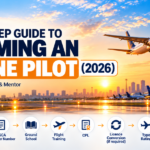
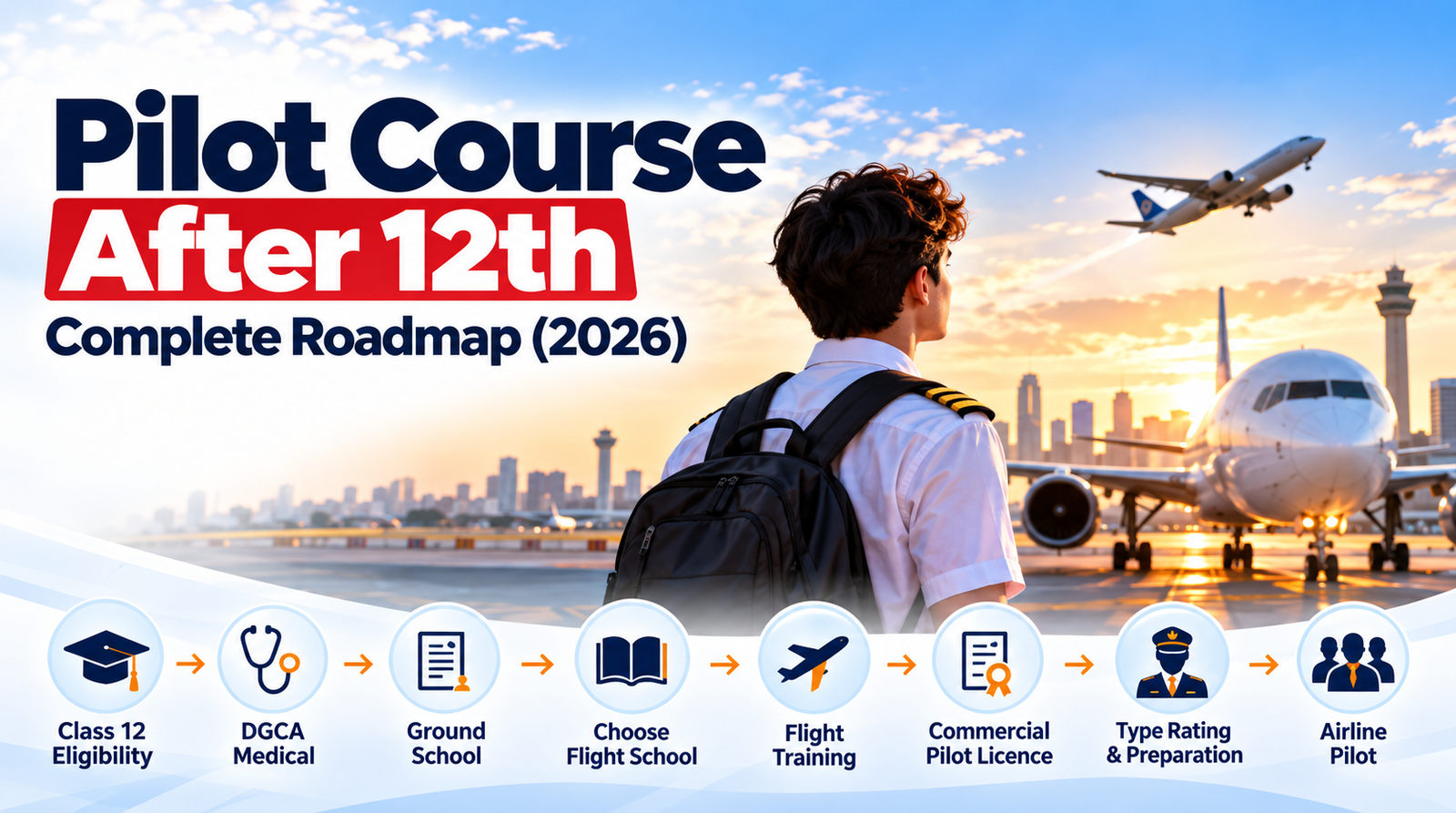
Class 12 → Medical → DGCA Ground School → Flight School Selection → Flight Training → Commercial Pilot Licence → Licence Conversion (if applicable) → Type Rating (where required) → Airline Preparation → Airline Pilot
This roadmap provides students with a clear understanding of the journey ahead.
Capt. Vijay’s Advice
Many students ask me whether they should first complete engineering or another degree before becoming a pilot.
My answer is simple:
If your goal is to become a professional pilot, begin planning your aviation journey as early as possible.
The most successful students are not necessarily those who start first—they are the ones who understand the complete roadmap before investing.
Research carefully, ask questions, and choose a pathway that matches your goals, budget, and learning style.
Frequently Asked Questions
Can I become a pilot after 12th?
Yes. Students who meet the required educational and medical criteria can begin their commercial pilot training after completing Class 12.
Is Physics and Mathematics compulsory?
For many commercial pilot pathways, Physics and Mathematics are required, although equivalency options may be available under applicable regulations.
Which country is best for pilot training?
The right country depends on your budget, career plans, training preferences, and licensing requirements.
How long does pilot training take?
Training duration varies depending on weather, aircraft availability, and regulatory processes.
What is the total cost of becoming a pilot?
Depending on the training pathway and location, students should typically plan for an investment ranging from approximately ₹50 lakh to over ₹1 crore.
How RSA Pilot Academy Helps Aspiring Pilots
Choosing the right roadmap after Class 12 can feel overwhelming.
At RSA Pilot Academy, we guide students through every stage of their aviation journey by offering:
- Career counselling
- DGCA Ground School
- Flight school selection guidance
- India vs abroad comparisons
- Education loan assistance
- Medical guidance
- Licence conversion planning
- Type Rating guidance
- Airline interview preparation
Our objective is not just to help students start their pilot training—it is to help them build a successful long-term aviation career.
Final Thoughts
Becoming a commercial pilot after Class 12 is a journey that requires dedication, planning, and informed decision-making.
There is no shortcut to the cockpit, but there is a clear roadmap.
Understand your eligibility, complete your medicals, build a strong theoretical foundation, choose the right flight school, and prepare yourself professionally for the opportunities ahead.
Every successful airline captain once stood exactly where you are today—wondering where to begin.
Take the first step with confidence.
Your Success Is Our Focus. Your Career Is Our Priority.